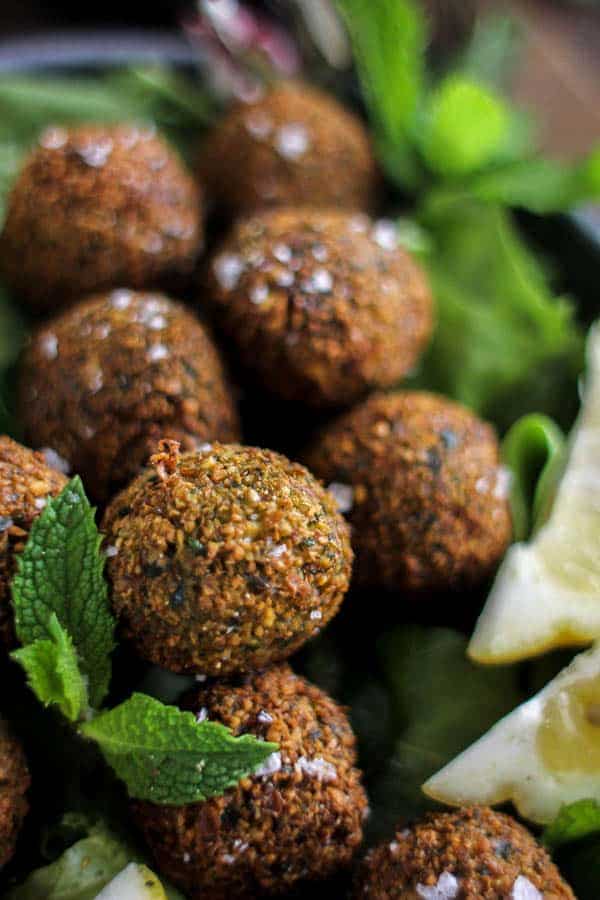
The allure of falafel is undeniable: a golden-brown, impossibly crispy exterior giving way to a moist, fluffy, and vibrant green interior. These savory fritters, a cornerstone of Middle Eastern street food, have captivated palates worldwide. While many might believe authentic falafel is a culinary feat best left to seasoned chefs or bustling street vendors, the truth is, a truly spectacular falafel recipe is within your grasp at home. The secret, however, lies not just in the spices or the technique, but in one crucial ingredient: the humble dried chickpea.
For those accustomed to the convenience of canned goods, the idea of soaking dried chickpeas might seem like an unnecessary hurdle. Yet, when it comes to crafting the perfect falafel, this seemingly minor detail makes all the difference. Ditching the can for dried chickpeas isn't merely a preference; it's a non-negotiable step that unlocks the authentic texture, flavor, and experience of this beloved dish.
The Uncooked Truth: Why Canned Chickpeas Fall Short for Falafel
In the world of falafel, canned chickpeas are not just frowned upon; they are, quite simply, ineffective. The fundamental reason is straightforward: falafel is made with dried chickpeas that have been soaked but are
When you attempt to make falafel with pre-cooked, canned chickpeas, you encounter a myriad of problems. The primary issue is the texture. Cooked chickpeas are soft and mushy, lacking the internal structure and starch required to bind the falafel mix together properly. Instead of forming a cohesive dough that fries up into a crisp fritter, you’ll end up with a loose, watery batter that struggles to hold its shape. Even if you manage to fry them, the result is often disappointingly dense, crumbly, and far from the light, airy interior characteristic of authentic falafel.
The raw, starchy nature of soaked dried chickpeas is what provides the essential binding power. When ground, they release a natural stickiness that acts as the glue for the mixture, allowing the falafel to hold its form without relying heavily on excessive flour or artificial binders. This natural binding also contributes to the desired contrast between the super crispy crust and the tender, moist interior – a textural symphony impossible to achieve with their pre-cooked counterparts. While canned chickpeas are a godsend for whipping up a batch of creamy hummus in minutes, they simply cannot deliver the unique properties needed for a truly great falafel recipe.
The Magic of Dried Chickpeas: Texture, Flavor, and Authenticity
Embracing dried chickpeas for your falafel journey opens up a world of superior texture, profound flavor, and undeniable authenticity. The process, while requiring a bit of foresight, is incredibly simple and immensely rewarding. All it takes is remembering to soak them overnight – arguably the hardest part of the entire Easy Homemade Falafel: Crispy Outside, Fluffy Inside Perfection recipe!
Unlocking Superior Texture
The texture derived from soaked, uncooked dried chickpeas is paramount. When these rehydrated, firm chickpeas are ground, they create a coarse, almost sandy mixture. This unique consistency is what allows falafel to achieve its signature characteristics: a fiercely crispy, dark golden-brown crust and an interior that is remarkably fluffy and moist. The raw starch in the chickpeas, when exposed to high heat during frying, gelatinizes and crisps up, creating that desired structural integrity that cooked chickpeas simply cannot replicate. The slight grittiness from the raw grind also contributes to the pleasant chewiness that distinguishes falafel from other fried fritters.
Deepening the Flavor Profile
Beyond texture, dried chickpeas bring a more robust, earthy, and concentrated chickpea flavor to the table. This intensity acts as a perfect canvas for the vibrant fresh herbs and aromatic spices that are hallmarks of a great falafel recipe. The natural nuttiness of the uncooked chickpea shines through, providing a deeper, more satisfying base note that stands up beautifully to the pungent garlic, bright parsley, fresh cilantro, warm cumin, and fragrant coriander. This richness in flavor is often muted in canned chickpeas due to the cooking and canning process, which can leach some of their inherent taste.
Embracing Authenticity
Using dried chickpeas isn't just about better texture and flavor; it's about honoring tradition. This method reflects the ancient techniques passed down through generations in the Middle East, where falafel originated. By choosing dried chickpeas, you are directly connecting with the authentic heritage of this beloved street food, ensuring your homemade falafel recipe delivers the genuine experience reminiscent of bustling souks and vibrant street corners.
Beyond the Chickpea: Crafting Your Perfect Falafel Recipe
While dried chickpeas are the undisputed star, a truly exceptional falafel recipe involves a harmonious blend of other fresh ingredients and smart techniques. It's the combination of these elements that transforms simple chickpeas into culinary gold.
The Power of Fresh Herbs and Spices
The dazzling green interior of a perfectly made falafel is no accident. It comes from a generous hand with fresh herbs. Parsley and cilantro (coriander leaves) are non-negotiable, lending not just their vibrant color but also a fresh, aromatic counterpoint to the chickpeas. Garlic and onion provide a pungent base, while spices like cumin and coriander offer warmth and depth. For the best flavor, always opt for fresh herbs and grind your spices if possible. The fresher the ingredients, the more aromatic and authentic your falafel will taste.
The Secret to Unrivaled Fluffiness: Baking Powder
While not every traditional falafel recipe includes it, a secret ingredient for an exceptionally light and fluffy interior is a touch of baking powder. This leavening agent creates small air pockets within the falafel as it fries, resulting in a noticeably softer and more tender crumb. It’s a minor addition that yields significant textural improvement, elevating your falafel from good to truly outstanding. We recommend trying it for that ultimate fluffy inside!
Binding and Shaping for Success
Once your soaked chickpeas, herbs, spices, garlic, and a touch of flour (and baking powder!) are blitzed together in a food processor, you'll have a textured, cohesive mixture. If it feels too wet, a little extra flour can help, but avoid making it too dense. The consistency should be firm enough to hold its shape when molded. You can unleash your wild side when it comes to shaping falafels! While balls are the most iconic, discs (slightly flattened balls), domes, or even torpedo shapes are common. A practical tip: use a small ice cream scoop or a dedicated falafel scoop for uniform sizes. After shaping, refrigerate the falafel for at least 30 minutes. This chilling step is crucial, as it helps the mixture firm up, preventing the falafel from crumbling or falling apart during frying.
Frying for Falafel Perfection: The Non-Negotiable Step
If there's one other rule besides using dried chickpeas, it's this: frying is mandatory for falafel. Baking or air-frying simply won't yield the signature super crispy, dark crust and moist interior that defines true falafel. The high heat of deep frying creates an instant crust, locking in moisture and preventing the fritter from becoming dry or greasy.
You don't need a huge amount of oil like some restaurant setups, but enough so that the falafel are at least half, if not mostly, submerged. Maintain a consistent oil temperature, ideally around 350-375°F (175-190°C), to ensure even cooking and browning. Fry them in batches to avoid overcrowding the pan, which can drop the oil temperature and lead to soggy falafel. When they emerge from the fryer, deep golden brown and bubbling, they are at their absolute peak – crispy, fragrant, and irresistibly delicious.
This is where the magic truly happens, transforming your carefully prepared mixture into the crispy, flavorful bites you’ve been dreaming of. For more detailed insights into perfecting this crucial step, don't miss our guide on Mastering Crispy Falafel: Your Guide to Middle Eastern Street Food at Home.
Your Journey to Homemade Falafel Mastery
Making falafel at home is surprisingly straightforward and incredibly rewarding. The process, once demystified, becomes second nature. It involves:
- Soaking dried chickpeas overnight (the 'hardest' part!).
- Blitzing them with fresh herbs, aromatic spices, garlic, a touch of flour, and that secret pinch of baking powder.
- Forming them into your desired shapes and chilling them to firm up.
- Frying until they achieve that perfect deep golden brown and irresistible crispiness.
- Devouring them as fast as humanly possible, ideally straight out of the fryer, perhaps dipped in a creamy tahini sauce or tucked into a warm pita with fresh salad.
The experience of breaking open a freshly fried falafel to reveal its vibrant green, fluffy interior is a moment of pure culinary bliss. It transports you to bustling Middle Eastern markets, embodying the rich flavors and traditions of this timeless street food. Once you taste the difference that dried chickpeas make, you'll never look back.
So, next time you crave falafel, bypass the canned chickpeas. Embrace the simple, authentic method of using dried chickpeas, and prepare to be blown away by the superior texture, flavor, and sheer delight of homemade falafel. Your taste buds will thank you, and you'll have mastered a truly classic falafel recipe that rivals any you've tasted before.
