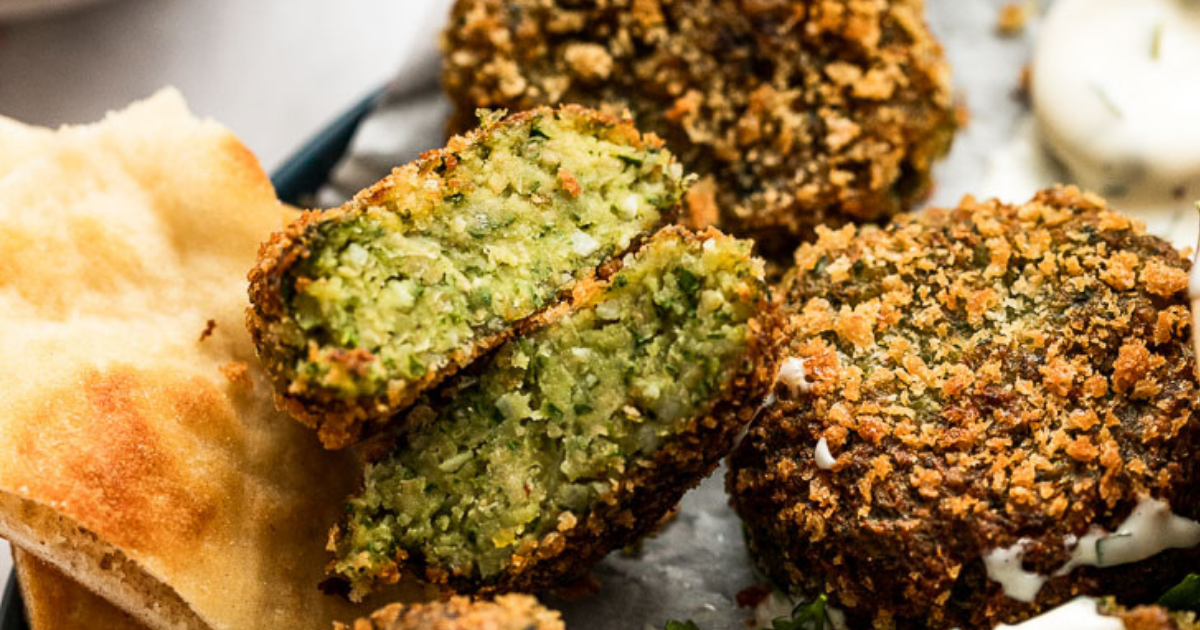
Easy Homemade Falafel: Crispy Outside, Fluffy Inside Perfection
Imagine biting into a perfectly golden-brown sphere, its exterior yielding with an audible crunch, only to reveal a vibrant green, tender, and impossibly fluffy interior bursting with aromatic herbs and spices. This isn't just a dream; it's the reality of truly great falafel, and it's surprisingly easy to achieve right in your own kitchen! Forget the notion that authentic falafel is best left to street food vendors or specialized restaurants. With this comprehensive guide and our ultimate falafel recipe, you're about to unlock the secrets to crafting the king of Middle Eastern street food at home. Prepare to impress your taste buds and loved ones with falafel that's crispy, moist, and utterly irresistible.
For many, falafel conjures images of bustling markets and vibrant culinary adventures. It's a staple that truly elevates the humble chickpea to its highest culinary purpose. While creamy hummus has its undeniable charms, nothing quite compares to the textural interplay and flavor explosion of a well-made falafel. And if you, like us, are a falafel fanatic, you're in for a treat. We've distilled the wisdom of seasoned chefs and our own kitchen experiments to bring you a falafel recipe that delivers on its promise: perfection in every bite.
The Unsung Hero: Why Dried Chickpeas are Non-Negotiable
Before we dive into the aromatic herbs and spices, let's address the foundational ingredient: chickpeas. This is perhaps the most critical rule in the falafel playbook, and one that often trips up home cooks. For truly authentic, crispy, and fluffy falafel, you must use dried chickpeas that have been soaked overnight, but not cooked. This isn't just a traditional preference; it's a scientific necessity.
Canned chickpeas, while convenient for many dishes, simply will not work for falafel. They are already cooked and too soft, lacking the internal structure and raw starch needed to bind the mixture properly and achieve that signature crispy exterior without falling apart or becoming a mushy, dense fritter. The soaking process rehydrates the dried chickpeas, softening them enough to be processed while retaining their firmness and integrity. This raw, firm texture is what allows the falafel to develop its incredible crunch when fried, while remaining fluffy inside. Authentic Falafel Secret: Why Dried Chickpeas Beat Canned Every Time delves deeper into this crucial distinction, explaining why this step is the cornerstone of a truly great falafel.
So, remember: the night before you plan to make your falafel, grab those dried chickpeas, give them a good rinse, and let them soak in plenty of cold water. This simple act is 90% of the battle won!
Beyond the Basics: The Secret to Fluffy Interiors and Irresistible Flavor
Once your chickpeas are perfectly soaked, it's time to infuse them with the vibrant flavors that define falafel. A medley of fresh herbs like parsley and cilantro (coriander) are non-negotiable, lending their bright, fresh notes and contributing to that stunning green interior. Along with these, essential spices such as cumin and coriander seeds (or ground) provide the earthy, warm base that is characteristic of Middle Eastern cuisine. Fresh garlic and onion also play vital roles, adding pungent depth.
Now for a true game-changer, a secret ingredient often whispered among falafel connoisseurs: baking powder. While not found in every traditional falafel recipe, this ingredient, a tip gleaned from some of Sydney's best falafel joints, makes a noticeable difference. A small amount of baking powder introduced to the mixture helps create tiny air pockets during frying, resulting in an incomparably lighter, more aerated, and genuinely fluffy interior. We've tested it side-by-side, and the difference in texture is undeniable – maximum fluffiness achieved!
A touch of flour or chickpea flour is often added as a binder, helping the mixture hold its shape without becoming too dense. Some recipes also include a tiny splash of water or lemon juice to achieve the perfect consistency for blending, ensuring your falafel paste isn't too dry or too wet. The goal is a mixture that's cohesive enough to form into balls or discs but still coarse, not a smooth paste like hummus.
Crafting Your Crispy Masterpiece: The Frying Process
We're often proponents of healthier cooking methods like baking or air frying, but for falafel, there's simply no substitute for frying. It's the only way to achieve that iconic, deeply golden, super crispy crust that perfectly encases the moist, fluffy interior. It's the critical step that transforms a simple chickpea mixture into a culinary delight.
You don't necessarily need a deep fryer. While a generous amount of oil (enough to mostly submerge the falafel) yields an incredibly even crust, you can achieve excellent results with less oil. Shaping your falafel into discs rather than balls can further reduce the oil needed. Don't be afraid to get creative with shapes! While round balls are traditional, discs (slightly flattened balls), domes, or even torpedo shapes are common. The key is consistency in size and shape to ensure even cooking.
When frying:
- Oil Temperature is Key: Heat your neutral oil (like canola, vegetable, or sunflower) to around 350-375°F (175-190°C). Too low, and the falafel will absorb too much oil and become greasy; too high, and the outside will burn before the inside cooks through.
- Don't Overcrowd: Fry in batches to maintain oil temperature. Overcrowding the pan will drop the temperature and result in soggy falafel.
- Golden Perfection: Fry until deep golden brown and super crispy, usually 3-5 minutes per batch, depending on size and shape.
- Drain Well: Use a slotted spoon to transfer cooked falafel to a wire rack set over paper towels to drain excess oil.
For more detailed tips on achieving the perfect crunch and managing your frying oil, check out Mastering Crispy Falafel: Your Guide to Middle Eastern Street Food at Home. Remember, falafel is at its absolute peak straight out of the fryer, so have your serving accompaniments ready!
Easy Homemade Falafel Recipe: A Step-by-Step Guide
Making homemade falafel is straightforward once you understand the core principles. Here’s a simplified breakdown:
- Soak Dried Chickpeas: The night before, place dried chickpeas in a large bowl, cover with at least twice their volume of cold water, and let them soak for 12-18 hours. Drain thoroughly before use.
- Blitz the Mixture: In a food processor, combine the soaked and drained chickpeas with fresh parsley, cilantro, onion, garlic, cumin, coriander, salt, black pepper, a touch of flour, and the secret ingredient – baking powder. Pulse until the mixture is finely chopped but still coarse, not smooth. You should be able to press it together. Add a tiny splash of water or lemon juice if it's too dry to come together.
- Form and Chill: Form the mixture into your desired shapes (balls, discs, etc.). For best results, refrigerate the formed falafel for at least 30 minutes. This helps them firm up and prevents them from crumbling during frying.
- Fry to Crispy Perfection: Heat oil in a deep pan or pot to 350-375°F (175-190°C). Carefully lower the falafel into the hot oil in batches and fry until deep golden brown and crispy, about 3-5 minutes.
- Devour Immediately: Transfer the crispy falafel to a wire rack to drain. Serve them piping hot for the ultimate experience!
Serving Suggestions & Customization
While falafel are undeniably delicious on their own, dipping them into a creamy tahini sauce is a non-negotiable pairing. A simple tahini sauce made with tahini, lemon juice, garlic, and water elevates the entire experience. Beyond that, consider:
- Pita Wraps: Stuff warm pita bread with fresh falafel, chopped salad (tomatoes, cucumbers, lettuce), pickled turnips, and a generous drizzle of tahini.
- Falafel Bowls: Serve over a bed of fluffy couscous or rice with a vibrant tabouleh salad, hummus, and a dollop of yogurt sauce.
- Appetizer Platter: Arrange a platter with falafel, olives, feta cheese, hummus, and fresh vegetables for a delightful mezze spread.
Feel free to customize your falafel. Add a pinch of cayenne for a spicy kick, or incorporate other herbs like mint or dill for a different flavor profile. The possibilities are endless!
Conclusion
Making easy homemade falafel is a truly rewarding culinary journey that connects you to the rich tapestry of Middle Eastern cuisine. By understanding the critical role of dried chickpeas, embracing the secret of baking powder, and mastering the art of frying, you can achieve falafel that boasts an unbeatable crispy exterior and a wonderfully fluffy, flavorful interior. This falafel recipe isn't just about cooking; it's about creating a moment of pure, authentic deliciousness right in your home. So, gather your ingredients, prepare for the irresistible aroma, and get ready to enjoy falafel perfection!
