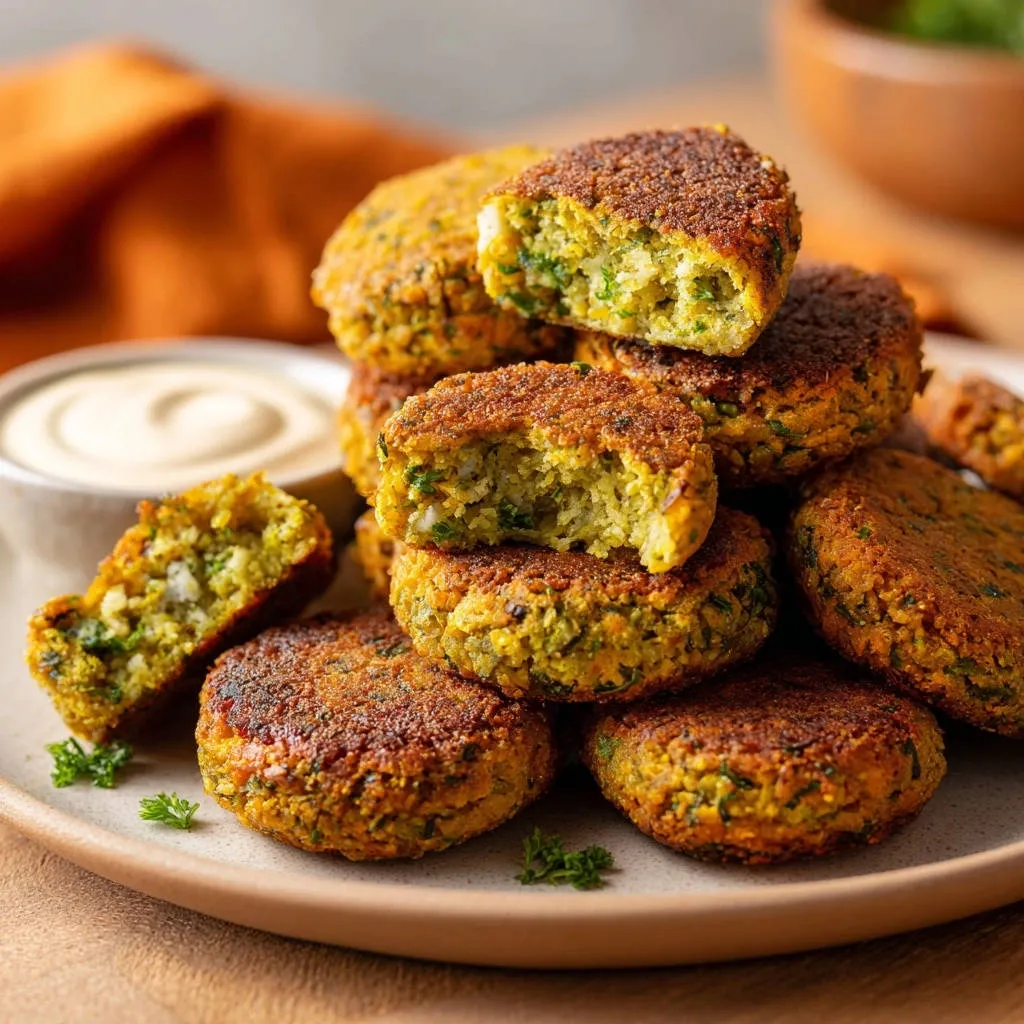
Mastering Crispy Falafel: Your Guide to Middle Eastern Street Food at Home
Few culinary experiences rival the sheer delight of biting into a perfectly made falafel. That intoxicating crunch of a golden-brown exterior, giving way to a moist, fluffy, and vibrant green interior, infused with aromatic herbs and spices – it’s a symphony for the senses. While falafel holds a revered spot in Middle Eastern street food culture, its allure is universal, and thankfully, bringing this magic into your own kitchen is far more achievable than you might imagine. This comprehensive guide will equip you with all the knowledge to create the ultimate homemade falafel recipe, transforming humble chickpeas into a culinary masterpiece.
The Undisputed King of Chickpeas: Why Homemade Falafel Reigns Supreme
In the vast kingdom of chickpea dishes, falafel undoubtedly wears the crown. While creamy hummus, effortlessly whipped up from a can of chickpeas, offers its own comforting appeal, falafel elevates the chickpea to an entirely new realm. It’s a dish that evokes memories of bustling souks and vibrant markets, where the aroma of freshly fried fritters fills the air. For enthusiasts, the pursuit of the perfect falafel is a quest, and discovering how simple it is to recreate that authentic street food experience at home is nothing short of revolutionary. Imagine a bowl brimming with these irresistible fritters, ready to be dipped into a tangy tahini sauce or tucked into warm pita bread – it’s a dream that quickly becomes reality with our comprehensive falafel recipe.
The joy of falafel lies in its textural contrast and bold flavors. Every bite delivers a satisfying crispness, followed by a tender, herbaceous heart. This isn't just food; it's a journey back to the very origins of Middle Eastern cuisine, a testament to the transformative power of simple ingredients. Once you’ve mastered this falafel recipe, you'll understand why countless cultures lay claim to this delectable creation and why it's considered by many to be the absolute pinnacle of chickpea gastronomy.
The Golden Rule: Dried Chickpeas are Non-Negotiable for Your Falafel Recipe
Let's address the cardinal rule of falafel making right at the outset: forget canned chickpeas. Seriously. For an authentic and truly spectacular falafel recipe, dried chickpeas are not just preferred; they are absolutely essential. This isn't a matter of culinary snobbery; it's fundamental to the structure and texture of a great falafel.
The reason is surprisingly simple: falafels are made with dried chickpeas that are *soaked*, but crucially, *not cooked*. Canned chickpeas, having already been cooked, contain too much moisture and are too soft to achieve that characteristic airy, yet firm, interior and crispy exterior. If you try to use canned chickpeas, your falafel mixture will likely be too wet, leading to dense, crumbly, or mushy fritters that fall apart in the oil. The uncooked, soaked dried chickpeas retain their integrity, allowing them to bind together properly while still providing the necessary internal structure for a light, fluffy result after frying. The soaking process softens them just enough to be processed into a coarse meal, but they remain firm enough to withstand the frying process, locking in that dazzling green freshness and giving the falafel its unique bite.
So, while remembering to soak your chickpeas overnight might just be the hardest part of this falafel recipe, it's a step you absolutely cannot skip. For a deeper dive into this essential secret, explore
Authentic Falafel Secret: Why Dried Chickpeas Beat Canned Every Time.
Crafting Your Perfect Falafel: Ingredients and Method Unveiled
Making falafel from scratch is a rewarding process that reveals itself to be quite straightforward once you understand the key steps. Here's what you'll need and how to bring your falafel recipe to life.
Essential Ingredients for Your Falafel Recipe:
- Dried Chickpeas: As discussed, the star of the show. Plan to soak them for at least 12-24 hours.
- Fresh Herbs: A generous amount of fresh parsley and cilantro (coriander) are non-negotiable. They contribute significantly to both the vibrant green color and the signature fresh, herbaceous flavor.
- Aromatics: Garlic and onion form the foundational flavor base, adding pungency and depth.
- Spices: Cumin and coriander powder are classic falafel spices, lending an earthy warmth. A pinch of cayenne or chili flakes can add a subtle kick if desired.
- Binder: A small amount of all-purpose flour or chickpea flour helps hold the mixture together.
- Leavening Agent: This is where a "secret ingredient" comes in. A tiny bit of baking powder, a trick learned from some of Sydney's best falafel joints, makes a noticeable difference. It contributes to an incredibly fluffy and moist interior, preventing the falafel from becoming too dense. While not in all traditional recipes, its inclusion is a game-changer for texture.
- Salt and Pepper: To taste, of course.
Step-by-Step Method for the Ultimate Falafel Recipe:
- Soak the Chickpeas: Rinse your dried chickpeas thoroughly. Place them in a large bowl and cover them with plenty of cold water (they will expand significantly). Let them soak for 12-24 hours at room temperature, or in the refrigerator if your kitchen is very warm. Drain and rinse well before use.
- Prepare the Mixture: In a food processor, combine the soaked and drained chickpeas, fresh parsley, cilantro, onion, garlic, cumin, coriander, salt, pepper, and flour. Process until the mixture is coarsely ground but not completely smooth – you want some texture. Add the baking powder in the last few pulses. If the mixture seems too dry to come together, add a tablespoon of water at a time, processing briefly after each addition, until it forms a cohesive dough that can be shaped. Avoid over-processing, as this can make the falafel dense.
- Chill and Shape: Transfer the falafel mixture to a bowl, cover, and refrigerate for at least 30 minutes. This step is crucial as it allows the flavors to meld and the mixture to firm up, making it much easier to handle and less likely to fall apart during frying. Once chilled, form the mixture into your desired shapes. While balls are iconic, discs (slightly flattened balls), domes, or even torpedo shapes are common. Use about 1.5-2 tablespoons of mixture per falafel. A falafel scoop can help ensure uniform sizing.
- The Mandatory Fry: This is where the magic happens. Falafel absolutely *must* be fried to achieve its signature crispy crust and moist interior.
- Oil Setup: Choose a neutral oil with a high smoke point, such as vegetable, canola, or sunflower oil. You can deep-fry (with falafel mostly submerged) or shallow-fry (with less oil, flipping halfway). For the best results, aim for at least 1-2 inches of oil in a heavy-bottomed pot or Dutch oven.
- Temperature Control: Heat the oil to around 350-375°F (175-190°C). An oil thermometer is highly recommended. If the oil isn't hot enough, the falafel will absorb too much oil and be greasy; if it's too hot, the outside will burn before the inside cooks.
- Frying: Carefully lower a few falafel into the hot oil, ensuring not to overcrowd the pot, which would lower the oil temperature. Fry for 3-5 minutes, turning occasionally if shallow-frying, until deep golden brown and super crispy.
- Drain: Remove the falafel with a slotted spoon and place them on a wire rack set over paper towels to drain excess oil.
- Devour: Falafel is at its absolute peak straight out of the fryer, while still warm and wonderfully crisp.
For more hands-on guidance, check out our companion article:
Easy Homemade Falafel: Crispy Outside, Fluffy Inside Perfection.
Tips for Falafel Perfection: Troubleshooting and Serving Suggestions
Even with the best falafel recipe, a few common issues can arise. Here’s how to troubleshoot and ensure your falafel turns out perfectly every time:
Falafel Troubleshooting:
- Falling Apart in Oil: This usually means your mixture is too wet, or it wasn't chilled long enough. Add a tiny bit more flour (½ to 1 tablespoon) to the mixture and chill for an hour longer. Ensure your oil is hot enough.
- Too Dense/Dry: You might have over-processed the chickpeas, making them too fine, or didn't add enough baking powder. A coarser texture and the magic of baking powder contribute to fluffiness.
- Greasy Falafel: The oil wasn't hot enough. When the oil is too cool, the falafel takes longer to cook and absorbs more oil. Always ensure your oil is at the correct temperature before adding the falafel.
- Not Crispy Enough: Again, likely an oil temperature issue (too low) or overcrowding the pan, which drops the temperature. Fry in smaller batches.
Serving Suggestions to Elevate Your Falafel Experience:
Falafel is incredibly versatile and can be enjoyed in numerous ways:
- The Classic Falafel Sandwich: Arguably the most popular way to enjoy falafel. Warm pita bread stuffed with freshly fried falafel, generous drizzles of creamy tahini sauce, crisp lettuce, chopped tomatoes, cucumbers, and tangy pickled turnips or gherkins.
- Falafel Platter/Bowl: Arrange your falafel on a bed of fresh salad greens (think Fattoush or Tabbouleh), alongside a dollop of hummus, baba ghanoush, rice, and, of course, plenty of tahini.
- Dipping Delight: Serve a bowl of hot falafel with a variety of dips like tahini, hummus, garlic sauce (toum), or even a spicy harissa dip.
- Creative Garnishes: A sprinkle of sumac, fresh mint leaves, or a squeeze of lemon juice can brighten the flavors.
Conclusion
Embarking on the journey to master a homemade falafel recipe is a culinary adventure well worth taking. From the crucial first step of soaking dried chickpeas to the satisfying sizzle of hot oil, each stage contributes to the creation of a truly exceptional dish. With this guide, you now possess the knowledge and confidence to bypass the takeout line and bring the authentic, crispy, and flavorful essence of Middle Eastern street food directly to your table. So go ahead, gather your ingredients, follow these steps, and prepare to delight your taste buds with falafel that's guaranteed to be the envy of every chickpea. Enjoy the incredible satisfaction of making your own crispy, fluffy falafel – it's an experience that's truly unbeatable.